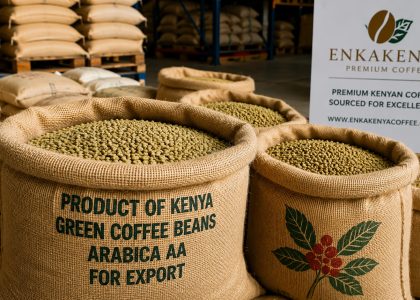


Oman’s coffee market offers an interesting opportunity for importers and roasters looking to diversify their green coffee portfolio. In 2024, Oman imported approximately 7.67 million kg of unroasted, non-decaffeinated coffee, worth about US$35.1 million. Kenya supplied 14,616 kg of this category, showing that Kenyan coffee in Oman already has a market presence, although Kenya remains a relatively small supplier compared with several other origins and trading partners.
For an Omani coffee importer, buying Kenyan coffee is about more than finding a price per kilogram. The origin, grade, processing method, cup profile, moisture, packaging, documentation and logistics all matter when selecting Kenyan Arabica green coffee for a roasting, distribution or hospitality business.
For businesses searching for a reliable Kenyan coffee supplier in Oman, understanding these factors before placing an order can help reduce purchasing risk and support a stronger long-term supply relationship.
Why Consider Kenyan Coffee in Oman?
Kenya is internationally recognized for Arabica coffee with distinctive sensory characteristics. Depending on the origin, lot and processing method, Kenyan coffee can offer bright acidity, fruit character, sweetness and a clean cup.
These characteristics make Kenyan Arabica coffee in Oman worth considering for specialty roasters, cafés, distributors and businesses developing premium coffee programmes.
EnkaKenya’s current green coffee portfolio includes AA, AB and Peaberry (PB). Its AA coffee is described with bright acidity, blackcurrant and citrus notes, while its AB coffee offers balanced acidity, red berries, sweetness and medium body.
For an Omani buyer, however, the important question is not simply whether Kenyan coffee is considered premium.
The better question is:
Does this particular coffee fit my roasting, blending and customer requirements?
What Should Coffee Importers in Oman Look For?
Before buying green coffee beans in Oman, an importer should first establish the intended use of the coffee.
Will the beans be used for:
- Specialty single-origin coffee
- Espresso
- Filter coffee
- Commercial blends
- Premium café programmes
- Hospitality
- Private-label coffee
- Wholesale distribution
The answer will influence the type of coffee that makes commercial sense.
A specialty roaster may prioritize cup clarity, acidity and origin character. A commercial roaster may place greater emphasis on consistency, volume and blend performance.
This is why a good sourcing discussion should begin with the buyer’s requirements rather than only the available price.
Understanding Kenyan Coffee Grades
Kenyan coffee is commonly identified using grades such as AA, AB and PB.
EnkaKenya currently lists AA, AB and Peaberry among its green coffee offerings. AA is listed with a screen size of 17–18, while AB is listed at 15–16. Peaberry consists of a single rounded seed that develops inside the coffee cherry.
However, coffee grade should not be treated as a complete measure of cup quality.
When purchasing Kenyan green coffee beans, an Omani importer should also evaluate:
- Cup quality
- Processing method
- Origin
- Elevation
- Defect levels
- Moisture
- Crop information
- Lot consistency
- Intended roast profile
A larger bean is not automatically the best choice for every roasting application.
The right coffee is the one that meets the buyer’s technical, sensory and commercial requirements.
For buyers who want a deeper explanation of Kenyan grading, EnkaKenya also provides information on Kenyan coffee grades as part of its educational coffee content.
Ask About Origin
Origin information is particularly valuable for buyers developing specialty or premium coffee programmes.
When sourcing Kenyan coffee for Oman, ask the supplier where the coffee was produced and what information is available about the supply chain.
Depending on the coffee, useful information may include:
- Growing region
- County
- Farm or cooperative
- Processing station
- Elevation
- Processing method
- Crop information
- Lot identification
EnkaKenya states that it works with Kenyan coffee producers and focuses on traceable, export-ready Arabica coffee for international buyers.
For an Omani roaster, this information can help create a stronger product story around origin rather than selling the coffee simply as another imported bean.
Washed or Natural Kenyan Coffee?
Processing method can influence the final sensory character of coffee.
Washed coffees are often associated with clarity and pronounced acidity, while naturally processed coffees can produce different fruit characteristics and body.
Neither method is automatically better.
The appropriate choice depends on what the roaster is trying to achieve.
For example, a single-origin specialty coffee may prioritize distinctive origin characteristics, while an espresso blend may require balance, sweetness and compatibility with other origins.
The right question for a coffee roaster in Oman is therefore not “Which process is best?” but “Which process is best for the product we are developing?”
Always Evaluate a Sample Before a Larger Order
One of the most important steps when buying Kenyan coffee in Oman is sample evaluation.
Before committing to a larger shipment, the importer and roasting team should assess a representative sample.
Evaluation may include:
- Aroma
- Acidity
- Sweetness
- Body
- Balance
- Aftertaste
- Cleanliness
- Defects
- Roast performance
- Brewing performance
This allows the buyer to determine whether the coffee actually performs as expected.
The Specialty Coffee Association provides industry resources concerning specialty coffee and the attributes that contribute to coffee’s value, including sensory and origin characteristics.
For a specialty-focused Oman coffee importer, sample evaluation is therefore an important part of the sourcing process.
Moisture, Packaging and Storage
Green coffee quality must be protected throughout the supply chain.
An importer should discuss moisture specifications, packaging and storage conditions with the supplier before shipment.
Important considerations include:
- Moisture
- Bag specifications
- Packaging
- Container loading
- Shipping conditions
- Transit time
- Destination handling
- Warehouse conditions
Once the coffee reaches Oman, storage also matters.
Green coffee should be protected from excessive heat, moisture, direct sunlight and strong odors.
For an importer operating in Oman’s climate, good warehouse management is therefore part of protecting the value and quality of the coffee purchased.
Import Requirements for Coffee in Oman
Importers should always verify the current requirements applicable to their specific product and shipment.
The Oman Directorate General of Customs provides an online service where businesses can search import and export requirements, including permits, restrictions, approvals and procedures involving other government agencies.
This is particularly useful because import requirements can change and may vary depending on the product and transaction.
Before dispatching a shipment of green coffee beans to Oman, buyers should confirm the applicable customs and regulatory requirements rather than relying on outdated information.
How to Choose a Kenyan Coffee Supplier for Oman
Price is important, but it should not be the only factor when selecting a Kenyan coffee supplier for Oman.
A professional buyer should consider whether the exporter can clearly explain:
- Coffee origin
- Available grades
- Processing method
- Cup profile
- Quality specifications
- Available volumes
- Packaging
- Documentation
- Shipping arrangements
- Sample availability
- Lead times
- Repeat supply
EnkaKenya’s current product portfolio includes export-grade Kenyan Arabica coffees including AA, AB and Peaberry, alongside roasted coffee products.
Omani buyers can review the available Kenyan Arabica green coffee beans before contacting the company about their specific requirements.
Kenyan Coffee for Muscat and Oman
For coffee importers in Muscat, working directly with a Kenyan exporter can provide greater visibility into the origin, grade and specifications of the coffee being purchased.
Instead of buying a generic green coffee without sufficient origin information, the importer can specify the desired grade, processing method, volume and cup characteristics before requesting samples.
This approach can also help roasters develop a more consistent purchasing programme.
The same principle applies to coffee businesses across Oman: define the product requirement first, then identify the supplier and coffee that best fit that requirement.
The Kenyan Coffee Opportunity in Oman
Oman’s coffee import figures provide useful context for businesses considering Kenyan coffee in Oman.
In 2024, Oman imported approximately US$35.12 million worth of unroasted, non-decaffeinated coffee, representing approximately 7.67 million kg. Kenya accounted for approximately US$70,060 and 14,616 kg of those imports.
This means Kenyan coffee currently represents only a small portion of Oman’s recorded imports in this category.
For Kenyan exporters, this suggests there is room to build stronger commercial relationships with Omani importers and roasters.
For buyers, it means Kenyan Arabica can provide another origin option for developing differentiated coffee products.
The International Coffee Organization’s coffee market information provides additional information on international coffee prices, supply, demand and trade for businesses monitoring the global coffee market.
Why Omani Roasters May Consider Kenyan Arabica
Kenyan Arabica can be evaluated for several applications, including:
- Single-origin coffee
- Specialty filter coffee
- Espresso blends
- Commercial-specialty blends
- Premium café programmes
- Hospitality
- Private-label coffee
The suitability of a particular coffee depends on the lot and the roaster’s objectives.
For businesses targeting the specialty coffee market in Oman, origin can also become part of the product’s value proposition.
The Specialty Coffee Association notes that specialty coffee can derive value from attributes including flavor, aroma, mouthfeel, origin, producer information, growing practices and processing methods.
Questions to Ask Before Buying Kenyan Coffee
Before placing an order with a Kenyan coffee exporter, an Omani buyer should ask:
- What Kenyan Arabica grades are currently available?
- Where was the coffee produced?
- What processing method was used?
- What is the cup profile?
- Can you provide a representative sample?
- What are the moisture and preparation specifications?
- What volume is available?
- What packaging is used?
- What export documentation is available?
- What shipping terms are offered?
- What is the expected lead time?
- Can you support repeat orders?
These questions help buyers compare suppliers on the complete sourcing proposition rather than price alone.
A Better Way to Source Kenyan Coffee for Oman
Instead of sending a supplier a simple message asking:
“What is your price for Kenyan coffee?”
An importer can provide a clearer purchasing brief:
We are a coffee business in Oman looking for Kenyan Arabica green coffee for specialty roasting, espresso or blending. Please share available grades, origin, processing method, cup profile, sample options, volumes, packaging and export terms.
This gives the exporter enough information to recommend a suitable coffee.
It also makes future purchasing conversations more efficient.
Conclusion
The opportunity for Kenyan coffee in Oman should be approached as a quality and sourcing decision rather than simply a price comparison.
Omani importers and roasters should evaluate the coffee’s grade, origin, processing method, cup profile, quality specifications, packaging, documentation and logistics before committing to larger volumes.
Kenyan Arabica can give Omani coffee businesses another distinctive origin for specialty, commercial-specialty, blending and premium roasting programmes.
For businesses searching for Kenyan green coffee suppliers in Oman, the best starting point is to define the required coffee specification, request samples and establish clear commercial and logistics requirements with the Kenyan exporter.
EnkaKenya Premium Coffee supplies Kenyan Arabica green coffee to international buyers seeking quality, traceability and export-ready supply.
Looking for Kenyan coffee for your business in Oman? Explore EnkaKenya’s Kenyan Arabica green coffee portfolio or contact EnkaKenya Premium Coffee to discuss your requirements.
Frequently Asked Questions
Where can coffee importers in Oman buy Kenyan coffee?
Omani businesses can source Kenyan green coffee directly from Kenyan exporters, subject to product availability, commercial terms and applicable Omani import requirements.
What Kenyan coffee grades are available?
EnkaKenya currently lists AA, AB and Peaberry among its green coffee offerings, with availability depending on the season, lot and purchasing requirements.
Is Kenyan coffee suitable for Omani coffee roasters?
Yes. Individual Kenyan coffees can be evaluated for single-origin, filter, espresso, specialty and blending applications depending on their sensory and physical characteristics.
Should an importer request a sample?
Yes. Sample evaluation allows the importer and roasting team to assess the coffee before committing to a larger purchase.
What should I check before importing green coffee into Oman?
Check the current customs, permit and regulatory requirements applicable to your specific shipment. The Oman Customs import and export requirements service provides an official starting point for checking applicable requirements.
Can EnkaKenya supply wholesale Kenyan Arabica?
EnkaKenya’s website presents a portfolio of Kenyan Arabica green coffee for international buyers, including AA, AB and Peaberry grades.